food security in the mediterranean
by Chloe Crispin
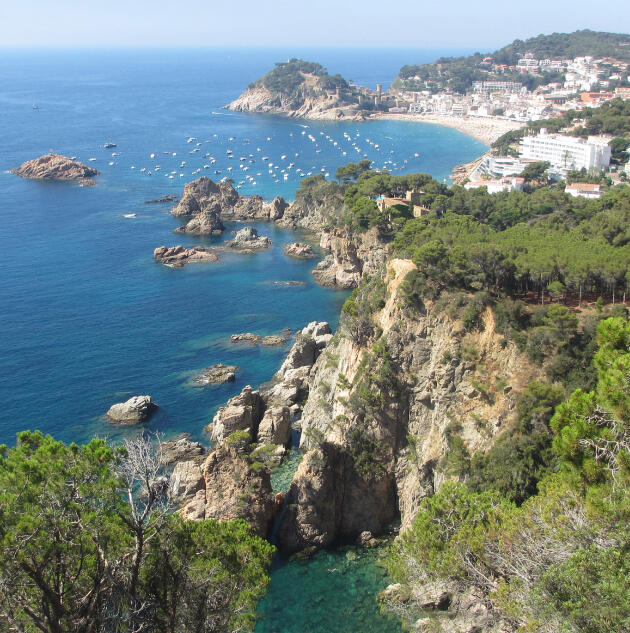
welcome! click on the buttons below to read more about the mediterranean and food security.
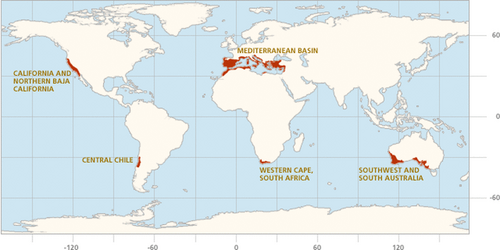
the mediterranean biome consists of many countries found between 31 and 40 degrees north to south of the equator (or west side of continents) including southwest / western australia, northwest africa, southern europe (where most of the mediterranean food is grown) and western north america.
future food production
We can sustainably feed future populations using the Mediterranean climate by contributing to a reasonable way of life according to the current climate change crisis. Countries in Southern Europe (Italy, Malta, Greece) is where 21% of the world’s food production is today, therefore meaning that this biome has a wide variety of resources to grow common foods. Food security can be achieved by preserving water and soil resources effectively.
foods grown
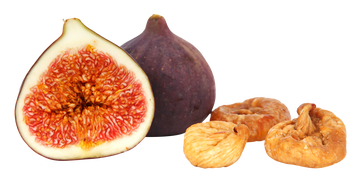
Many vegetables, herbs and fruits are grown in the Mediterranean climate, especially in Southern Italy were olives, fig trees and grapes thrive. Red meat is not heavily produced in these countries, resulting in the Mediterranean diet consisting of a lot of chicken, fish and plant-based foods. The Mediterranean diet is a very good in terms of gaining food security and maintaining climate change. Meat production makes up over 15% of greenhouse gas emissions, the same amount of transportation! While being vegan and vegetarian are good options, the Mediterranean diet is perfect for keeping a healthy amount of chicken and fish protein in our diets while treating ourselves to red meat every once in a while. This may seem like it will not make a difference, but it really does. Lots of food is grown the traditional way with many farmers working to produce vegetation, without an unnecessary amount of machinery and factories spilling millions of greenhouse gas emissions.
changes due to food production
Food production has not changed this biome significantly, however, it is predicted to change within the next ten to fifty years due to climate change. Places such as Italy, Malta and Spain are excessively overpopulated, to a point where there is little amount of land for future food production, which is a problem. Food is normally grown in October, which is the beginning of winter in Southern Europe, meaning that these native foods primarily grow in a crisp climate. Unfortunately, the Mediterranean is being negatively effectively by climate change, with large gas emission traveling from central Asia, and the overpopulation, making countries in the Mediterranean a notable amount hotter.
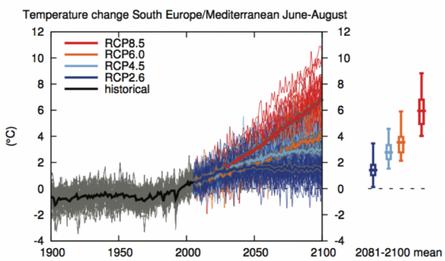
click on the image for original source and similar statistics!
Above shows the large rise in temperatures in Southern Europe and the climate predictions for the future. (2018)
characteristics of the mediterranean biome
The Mediterranean biome consists of erratic rainfall during wet seasons and harsh, dry conditions during dry seasons. It is a semiarid climate that consists of a large salt-water body and irregular topography resulting in a wide variety of soil types, perfect for vegetation. Shrubs (chaparral) is very common among this biome and is the most familiar plant. Many Plants tend to contain flammable oils, making this climate a large fire threat, therefore the common bushfires in parts of rural Australia.
references
IMAGES
PNGS (tomato, grapes, olives and figs) ALL FROM : http://www.pngall.com/
Fritz, Adolf (2018), MedEcc, Available at : https://www.medecc.org/climate-and-environmental-change-in-the-mediterranean-main-facts/ Last accessed 23/6/20
Campin, Robert (2011) Mediterranean Wildlife, Available at: https://mediterraneanwildlife.weebly.com/map.html Last accessed 23/6/20
INFORMATION
Rosenfeldt, Robyn (2015), PIP magazine, Available at: https://www.pipmagazine.com.au/grow/oct15-gardening-guide-mediterranean-climate/ Last accessed 23/6/20
Mr SCHEER (1994), Parliamentary Assembly, Available at : http://www.assembly.coe.int/nw/xml/XRef/X2H-Xref-ViewHTML.asp?FileID=8089&lang=EN Last accessed 22/6/20
Woodward, Susan (1997, edited in 2018), Biomes Of The World, Available at : https://php.radford.edu/~swoodwar/biomes/?page_id=98 , Last accessed 23/6/20
Kassam, Amir (2012) ScienceDirect, Available at : https://www.sciencedirect.com/science/article/abs/pii/S0378429012000718 Last accessed 23/6/20
WRITTEN BY CHLOE CRISPIN (LAST EDITED 23/6/20)